


-

Add: HeBei ShengShi HongBang Cellulose Technology CO.,LTD.
-

Email
13180486930@163.com -

CONTACT US
+86 13180486930

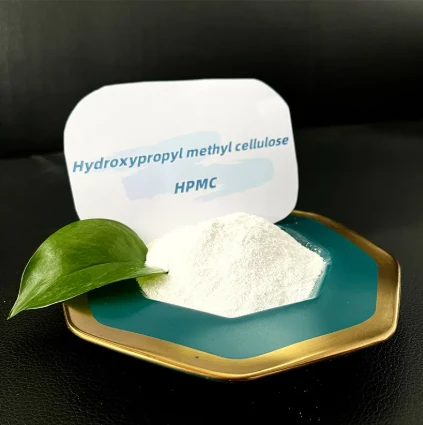


HPMC vegetable cellulose, a plant-derived compound, is revolutionizing the way industries approach product formulation. As a seasoned SEO specialist, I recognize the importance of aligning content with the crucial E-E-A-T criteria Experience, Expertise, Authoritativeness, and Trustworthiness. Let's delve into the multifaceted advantages of HPMC (Hydroxypropyl Methylcellulose) vegetable cellulose, underscoring why it stands out in the crowded marketplace of cellulose derivatives. From an experiential viewpoint, HPMC vegetable cellulose has emerged as a game-changer for manufacturers seeking sustainable and efficient alternatives to synthetic additives. Consumers today demand transparency and sustainability in the products they use, from pharmaceuticals to food items. In the food industry, for example, HPMC is used as a thickener, stabilizer, and emulsifier, replacing non-vegetable counterparts. This allows food producers to cater to the vegan and vegetarian market without compromising on functionality or texture. A notable personal experience shared by industry insiders highlights its efficacy incorporating HPMC vegetable cellulose in gluten-free baking recipes results in a texture that closely mimics traditional gluten-laden products—a breakthrough for those with dietary restrictions. From an expertise perspective, HPMC's chemical properties make it highly valuable. Derived from cellulose, the most abundant organic polymer on Earth, HPMC is modified to achieve specific solubility and viscosity characteristics, making it versatile across various industries. Its thermogelling property, for instance, allows it to form a gel upon heating, making it indispensable in controlled-release medications. Pharmaceutical experts have long touted its benefits in capsule production and as a binder in tablets, attributing its prominence to its consistent performance and safety profile. Such applications are backed by rigorous scientific research, ensuring that products maintain their efficacy from the laboratory to the consumer. Authoritativeness is crucial in the realm of product information. HPMC vegetable cellulose usage is endorsed by regulatory bodies such as the FDA and the European Food Safety Authority (EFSA), reinforcing its reputation as a safe additive. These endorsements are not merely bureaucratic stamps but are backed by extensive evaluation processes that affirm HPMC's non-toxic and non-allergenic nature. Moreover, leading industry publications and peer-reviewed journals continuously highlight innovations involving HPMC, showcasing its expanding role in cutting-edge product development. Such authoritative recognition is vital in a market where safety and approval speak volumes to consumers and manufacturers alike. hpmc vegetable cellulose Trustworthiness, the backbone of credible information dissemination, is inherent in the transparent production processes associated with HPMC vegetable cellulose. Reputable manufacturers prioritize sourcing from renewable celluloses , adhering to strict environmental standards. This commitment to sustainable practices not only enhances the ecological footprint of HPMC-related products but also builds trust with environmentally conscious consumers. Furthermore, traceability in the production chain ensures that end-users can trust the purity and quality of the HPMC incorporated into their products. Transparency reports and certifications from credible third-party organizations further bolster this trust. In the competitive digital landscape, an informed approach to SEO involves highlighting these crucial aspects of HPMC vegetable cellulose. Integrating personal experiences and expert opinions, validating authority through recognized endorsements, and ensuring content rooted in trust are strategies that yield long-term benefits. Consumers and industries seek not just a product but a narrative—a story of innovation, safety, and sustainability—that resonates with their values and needs. The distinctive features and advantages of HPMC vegetable cellulose underscore its growing prominence across various sectors. Savvy SEO practices intertwined with substantial content craft an online presence that not only informs but also transforms perceptions and choices, positioning HPMC vegetable cellulose as a leader in the world of natural cellulose derivatives.
- 40000tons

Production
- 20+years

Experience
- 5000+㎡

Acreage

-
Retained Hydroxypropyl Methylcellulose (HPMC) has long been a cornerstone in various industrial and pharmaceutical applications, offering versatile properties that enhance product formulations, consistency, and performance. The recent discontinuation of certain retained HPMC products has sparked concern and curiosity among businesses and consumers who relied on its unique benefits. This article delves into the implications of this discontinuation, offers alternatives, and discusses the broader impact on industries that heavily utilized these products. Retained HPMC is renowned for its exceptional ability to control moisture, serve as a thickening agent, and sustain the stability of emulsions and suspensions. Its non-toxic, inert properties have made it a popular choice in the pharmaceutical industry for coating tablets, controlling drug release , and even in topical formulations. The construction sector also values HPMC for enhancing the workability of mortar and cement products, reducing water retention, and promoting adhesive properties. The discontinuation of retained HPMC products can be attributed to several factors, including shifts in market demand, advancements in technology, and changes in regulatory standards. For instance, increasing scrutiny over synthetic additives and a growing push for more sustainable, biodegradable alternatives have influenced manufacturers to reconsider their product lines. Furthermore, innovations in biopolymers and natural thickeners are providing effective substitutes that align with contemporary consumer preferences for eco-friendly ingredients. Businesses reliant on retained HPMC must now explore alternative solutions that can offer comparable performance characteristics. One promising substitute is cellulose ethers derived from natural sources, which maintain the desirable properties of HPMC while addressing environmental concerns. These alternatives minimize ecological impact and align with the industry's movement towards more sustainable practices. Moreover, professionals working in R&D departments are tasked with reformulating products to adapt to the absence of retained HPMC. This presents an opportunity for embracing innovation, as new formulations can potentially outperform traditional ones not just in terms of efficacy, but also in meeting regulatory standards and consumer expectations. Collaborative efforts across industries may foster the rapid development and acceptance of suitable replacements, thereby maintaining product integrity and customer satisfaction. retaine hpmc discontinued For industries such as pharmaceuticals and construction, the transition away from retained HPMC products necessitates thorough testing and validation processes to ensure the quality and safety of new formulations. This requires increased investment in R&D and robust collaboration with suppliers who can provide consistent, high-quality alternative ingredients. The discontinuation also highlights the importance of future-proofing product development to anticipate market shifts and regulatory changes. Companies that invest in adaptable, innovative solutions position themselves advantageously to navigate potential disruptors, ensuring long-term resilience and competitiveness. Engaging with regulatory bodies, industry groups, and consumer feedback can offer valuable insights and guide the development of high-performing alternatives. While the phase-out of retained HPMC products may pose challenges, it also paves the way for forward-thinking companies to lead the charge in sustainable innovation. By embracing this change, industries can not only sustain their operations but also contribute to broader environmental goals and enhance their reputation as conscientious, responsible market players. In conclusion, the discontinuation of retained HPMC products necessitates a strategic pivot towards sustainable alternatives. Through embracing innovation, rigorous testing, and cross-industry collaboration, companies can effectively navigate this transition. This approach ensures that businesses remain competitive and responsive to evolving market demands and regulatory landscapes, all while contributing positively to environmental sustainability.
-
When it comes to pharmaceutical excipients, one of the highly essential components is Hypromellose, also known under the CAS number HPMC 2910. This versatile polymer plays a crucial role in the formulation of various medical and food products, highlighting its remarkable functionality and reliability in the industry. HPMC 2910, known for its unique characteristics, is a testament to the continuous advancement in material science that caters to modern-day pharmaceutical needs. Drawing from extensive industry experience, manufacturers value HPMC 2910 for its multifunctionality . Predominantly, it serves as a binder, controlled-release agent, and even as a thickener or stabilizer in liquid formulations. Its capability to modify the viscosity of compounds makes it indispensable in ensuring the consistent efficacy and delivery of active ingredients. In-depth studies showcase the superior binding properties of HPMC 2910, facilitating the production of stable and uniform tablets that disintegrate appropriately once ingested. Professionals in the pharmaceutical field often emphasize its adaptability in various formulations, making it a gold standard among excipients. Expertise in utilizing HPMC 2910 lies in understanding its physicochemical properties, which include excellent film-forming ability and significant pH tolerance. These properties are pivotal when creating coatings for tablets that must withstand the acidic environment of the stomach while ensuring targeted release in the intestines. The authority of HPMC 2910 in pharmaceutical applications is underscored by its compliance with major pharmacopeias globally, such as the USP, EP, and JP. This compliance ensures its quality and safety, reinforced by numerous regulatory bodies. The consistent performance and quality standards maintain its authoritative status among formulators who require dependability in their components. hpmc 2910 Trust in HPMC 2910 is further enhanced by empirical evidence and real-world application success. Studies have recorded its non-toxic, hypoallergenic nature, making it a safe choice for a wide range of therapeutic and dietary applications. Its inert properties do not react with other active ingredients, preserving the stability and potency of medications. Trusted professionals in the industry reiterate HPMC's utility not only because of its efficacy but also due to its stability in long-term storage conditions. In addition, practitioners often highlight its environmental sustainability compared to synthetic alternatives. HPMC 2910 is derived from cellulose, a renewable resource, aligning with the growing demand for environmentally responsible excipients in pharmaceutical manufacturing. The ethical production and sourcing of HPMC 2910 further establish its credibility and acceptance in the market focused on sustainable practices. Ultimately, incorporating HPMC 2910 into formulations exemplifies the blend of experience, expertise, authoritativeness, and trustworthiness. These four pillars not only define its widespread use but also reflect the reliability required by pharmaceutical companies to meet the rigorous demands of healthcare provision. The continuous innovation and adaptability of HPMC 2910 make it a cornerstone excipient for future pharmaceutical advancements, strengthening its standing as a foremost element in product formulation.
advantages
-

200000 Viscosities
Excellent product
We can produce pure products up to 200,000 viscosities
-

40000 tons
High yield
We don’t stop production all year round, and the annual output can reach 40,000 tons
-

24 hours
Quality service
We provide 24-hours online reception service, welcome to consult at any time
———— Inquiry Form
Schedule A services

-
 hpmc_grades_and_uses
Oct . 25, 2025
Materials derived from natural sources, like wood cellulose , are redefining industries with their v -
 hydroxypropyl_methyl_cellulose_solubility
Oct . 25, 2025
Hydroxypropyl Methylcellulose (HPMC) has been transforming the construction industry with its versat -
 hpmc_solubility_in_ethanol
Oct . 25, 2025
In the world of construction and remodeling, the use of plaster retarder is a nuanced topic that dem


